Wolverhampton joins the global revolt against concrete
Hard landscaping to be ripped up and replaced with trees, gardens and public space as Wolverhampton joins the international "depaving" movement.
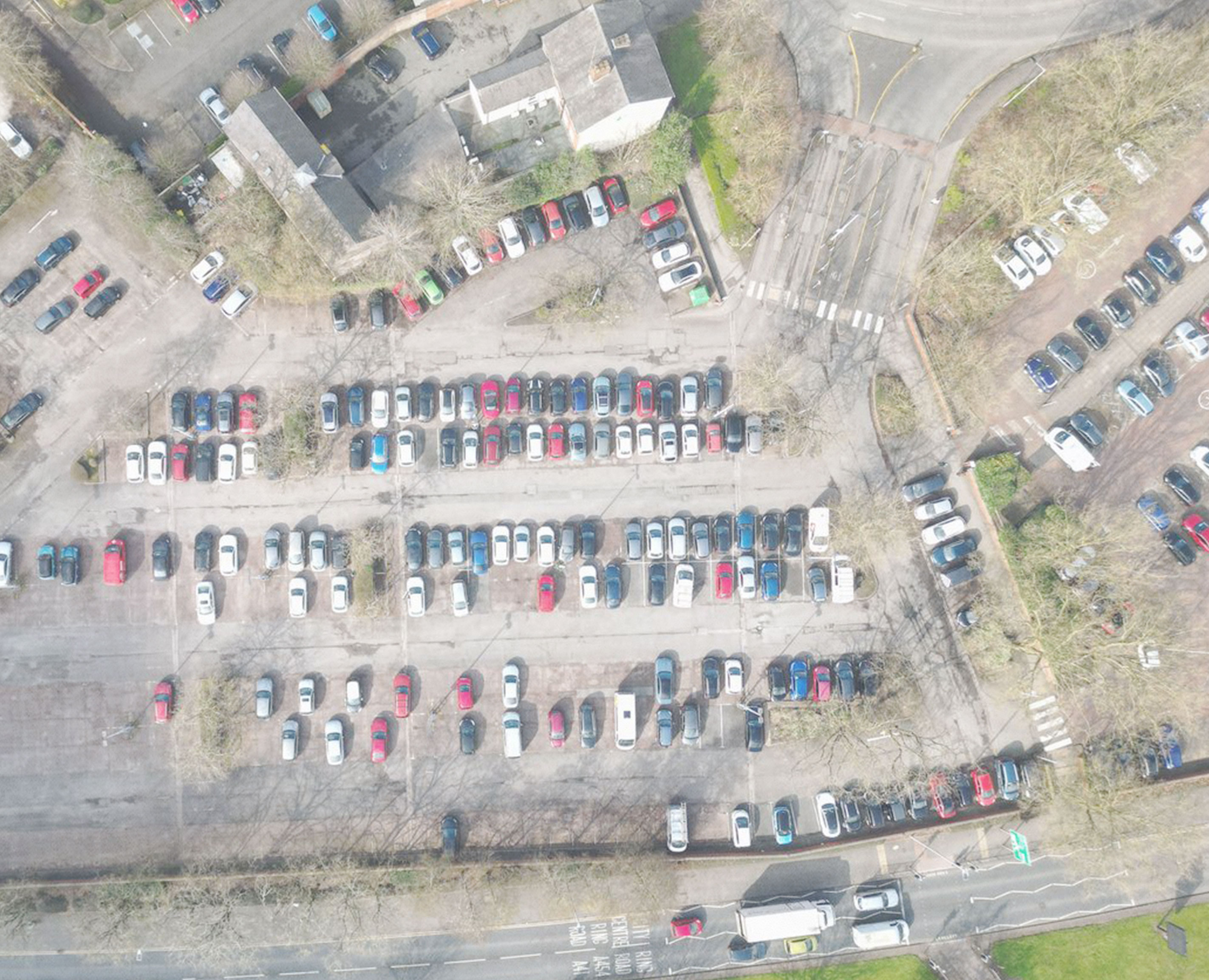
Nearly four and a half acres of concrete, tarmac and hard landscaping are set to be ripped up in the heart of Wolverhampton and replaced with trees, gardens, play spaces and new public realm, in what is thought to be one of Britain's largest urban depaving projects.
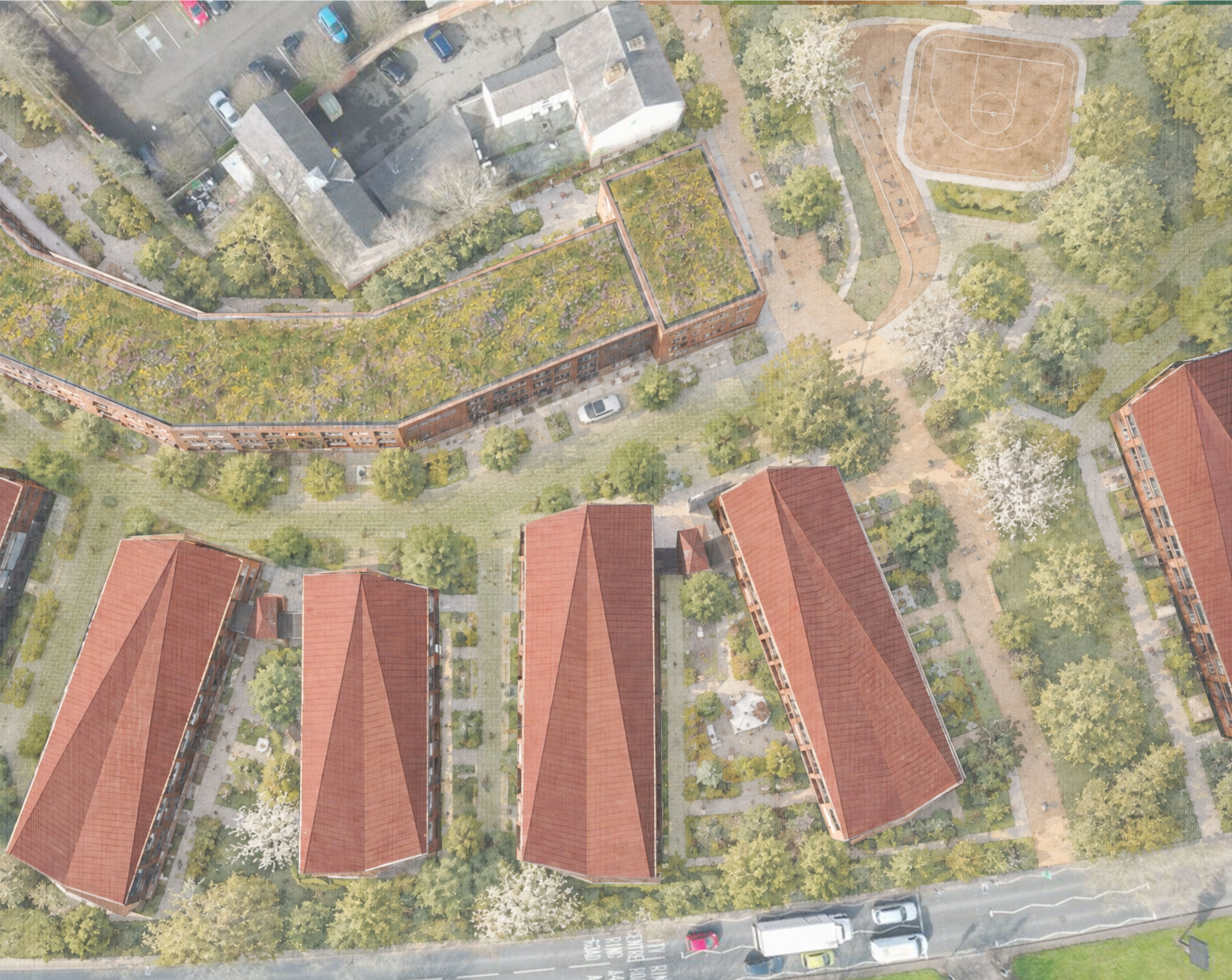
The transformation of the five-acre St George's site would see nearly 300 new trees planted - joining 77 existing trees that will be carefully retained - with nearly £6 million spent on landscaping and public realm, turning land currently dominated by car parking, roads and hard standing into a new green piece of the city. And much of that land, a former Sainsbury's supermarket and car park, would be opened up for people across Wolverhampton to use and enjoy for generations to come. The plans form part of a growing international movement known as "depaving", "de-sealing" or, in the Netherlands, "tile whipping": the deceptively simple idea that after decades spent covering urban land with concrete and asphalt, cities should start ripping some of it back up and giving the ground back to people and nature.
Across Europe and North America, cities are doing exactly that. In the Netherlands, "tegelwippen", literally tile whipping, has become a national phenomenon, with towns and cities competing to remove paving flags and replace it with plants. Since the NK Tegelwippen competition launched in 2020, more than 14 million concrete flags have been lifted across the country. Portland in Oregon has had an organised Depave movement since 2008, transforming unnecessary asphalt into gardens, play spaces and places for nature. Now Wolverhampton could become one of Britain's most significant examples of the movement.
NEARLY FOUR AND A HALF ACRES OF GREY TURNED GREEN
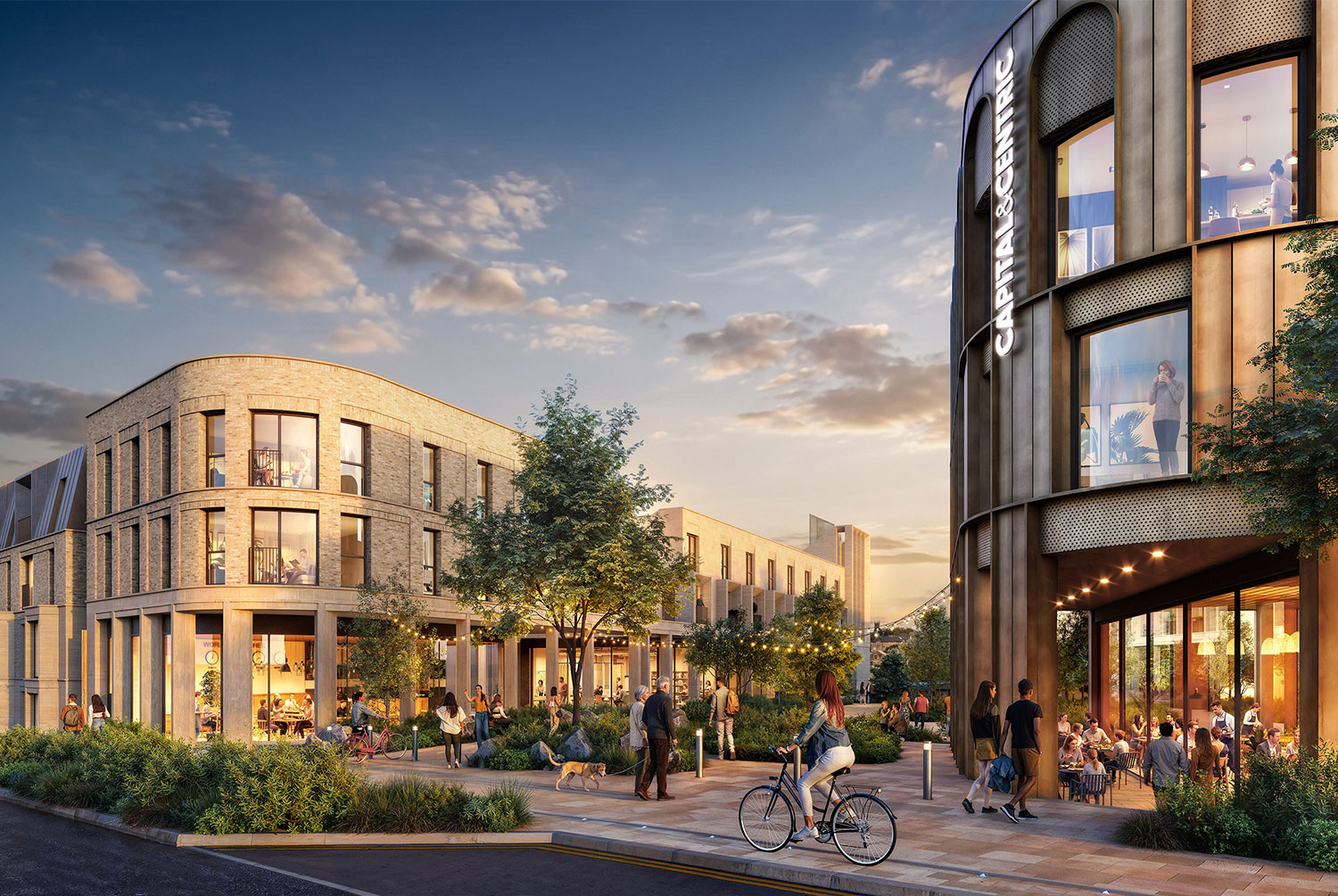
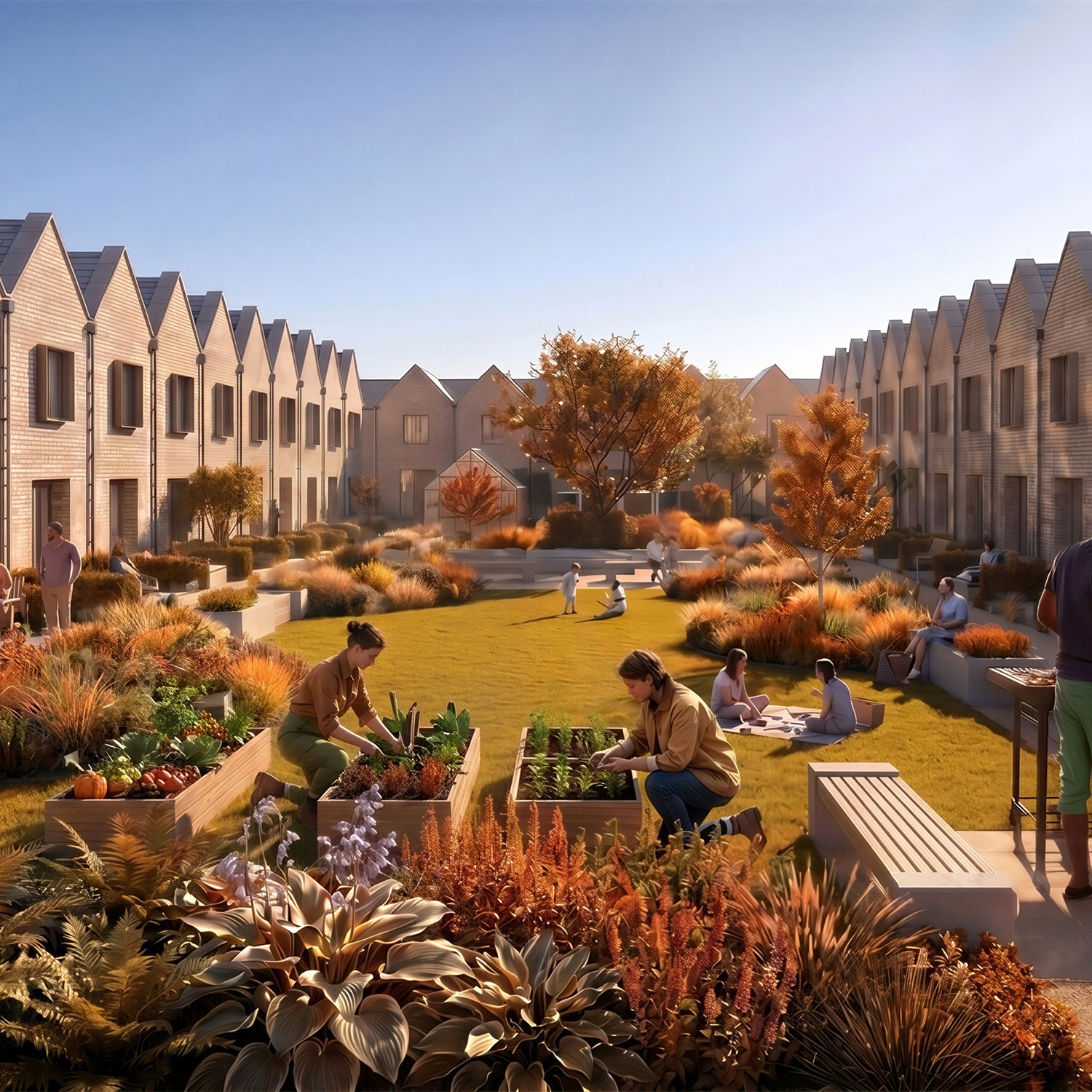
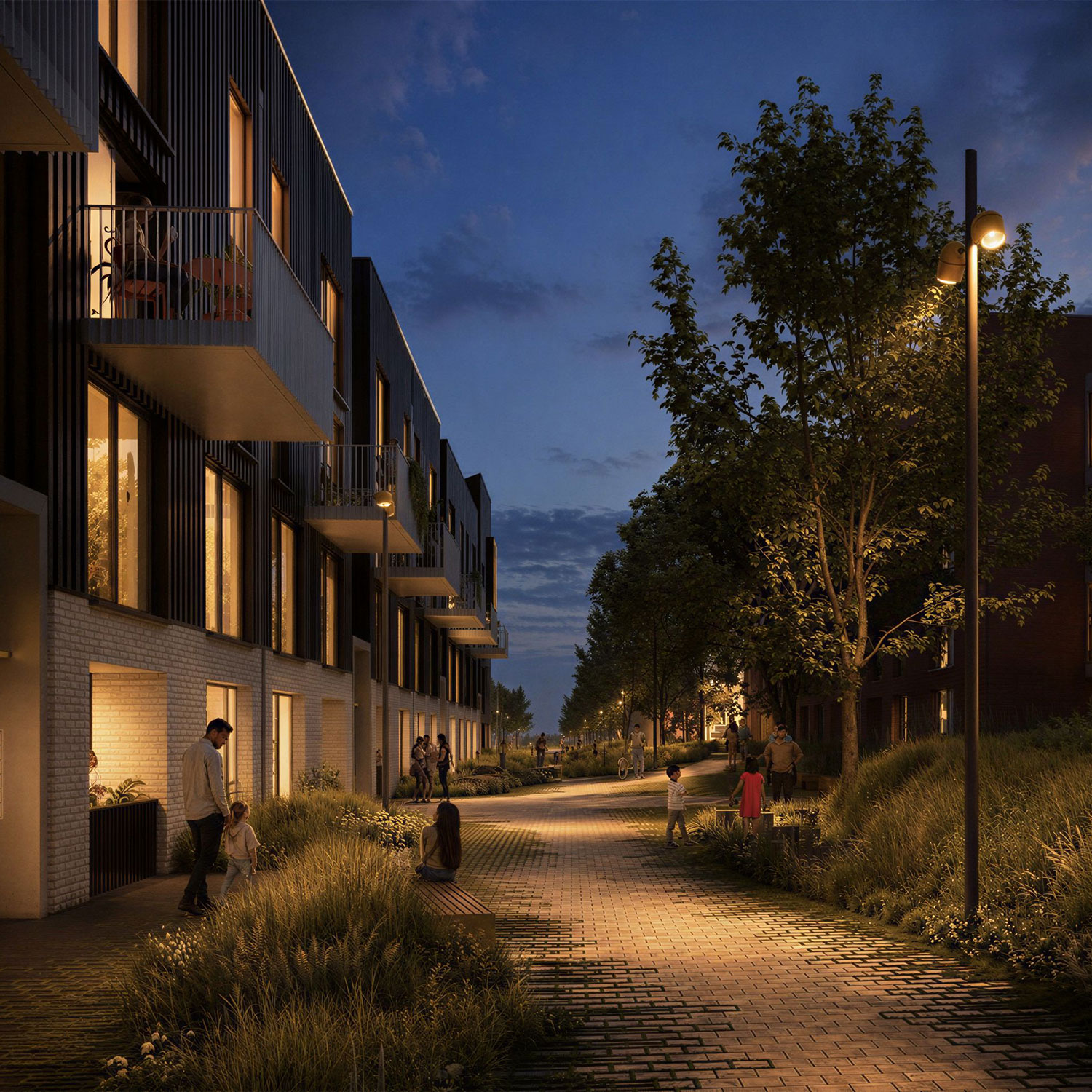
Social impact developer Capital&Centric has submitted plans to transform the St George's area of Wolverhampton into a new city centre neighbourhood, with nearly four and a half of its five acres of existing hard landscaping removed or greened. In its place would come 287 new trees alongside 77 retained ones, pocket parks, children's play areas, gardens, a half-acre ecological corridor and new public spaces, with nearly £6 million being invested in landscaping and public realm. The principle is simple: Less grey. More green. Alongside it, over 300 new homes would bring people back to an existing city centre site, creating new places to live without building out into the countryside. Rather than seeing landscaping as the leftover space between buildings, the landscape comes first. It reflects a much bigger rethink taking place internationally about what our city centres should be for.
For much of the 20th century, towns and cities removed trees, culverted rivers, demolished old buildings and covered huge areas of land in asphalt and concrete to accommodate cars, servicing and large-format retail. Now cities around the world are beginning to reverse that process. Removing impermeable surfaces allows more rainwater to soak naturally into the ground. Trees and planting can provide habitats for wildlife, increase biodiversity and help tackle the urban heat island effect, while creating places where people actually want to spend time. The European Union now formally defines "de-sealing" as removing impermeable material covering soil, recognising the restoration of sealed urban land as part of the wider push to protect soil and make cities more resilient.
"WE'VE SPENT GENERATIONS SEALING OUR CITIES"
Capital&Centric co-founder Tim Heatley said:
"For decades we've been doing something slightly mad to our towns and cities. We've been pouring concrete and tarmac over almost every spare bit of earth and then wondering why our city centres don't feel particularly green or human. There's a brilliant movement happening around the world which basically says: rip some of it back up.
The Dutch even have a name for it, tile whipping. At St George's we can do that on a pretty meaningful scale. We're taking a five-acre site and greening nearly every inch of it. We'll retain every tree we possibly can, plant hundreds more, and spend nearly £7 million making the landscape and public spaces something pretty special. And it will be publicly accessible - open to the whole city, not just the people who live there. I want kids growing up in Wolverhampton to remember playing here under trees, rather than remembering it as somewhere their parents once parked the car. For too long, developers have been sticking a couple of planters outside a new building and calling it green.
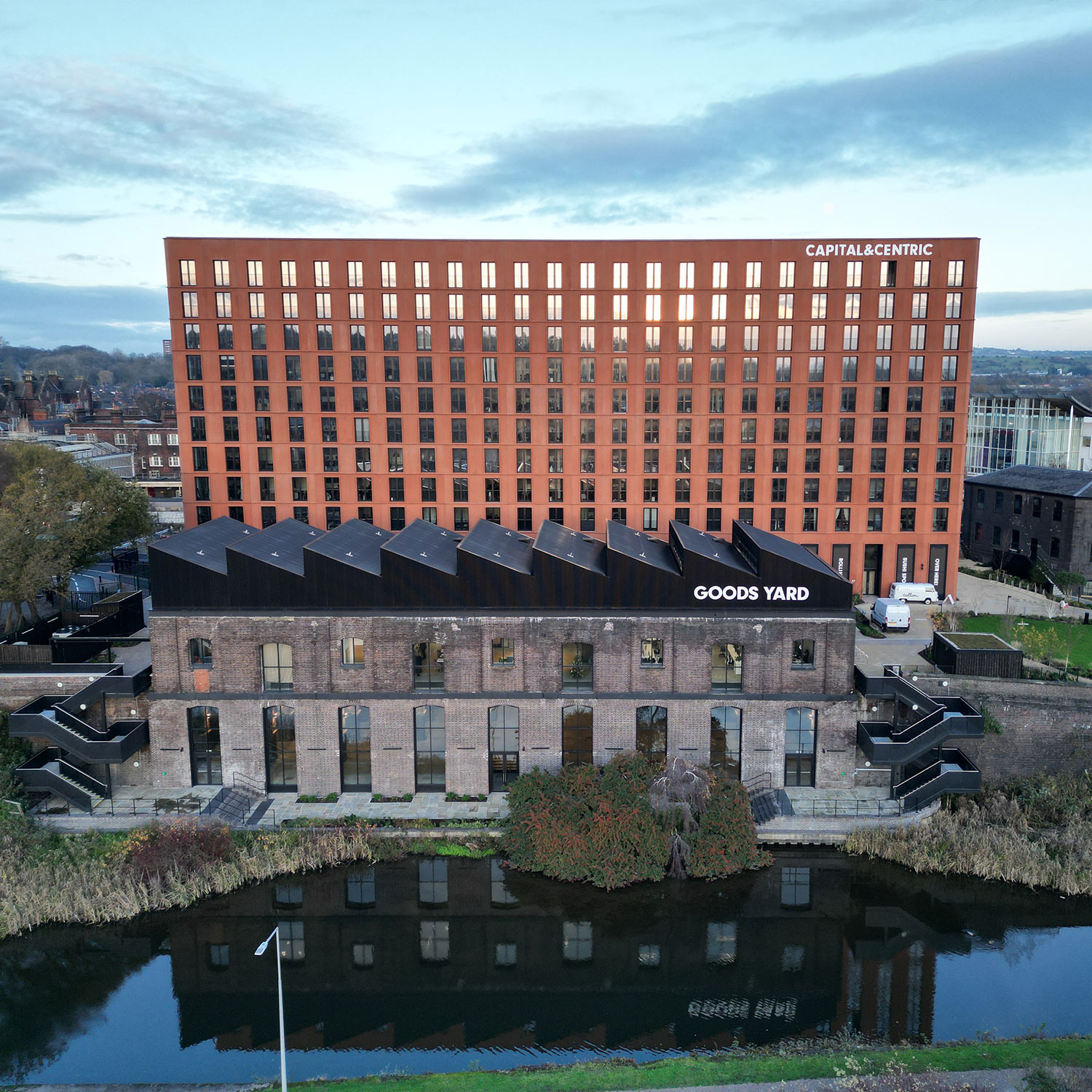
Here, we are fundamentally changing what the land is for: taking space away from cars and concrete and giving it back to people and nature. We use concrete on plenty of our other projects and we're proud of it - at Kampus in Manchester it's central to the character of the place. But there's a time and a place. At St George's, the opportunity is to do something different: to take a site that's been sealed over for decades and give it back. We've spent generations sealing our cities. Maybe it's time we started unsealing them."
FROM CAR PARK TO PARK
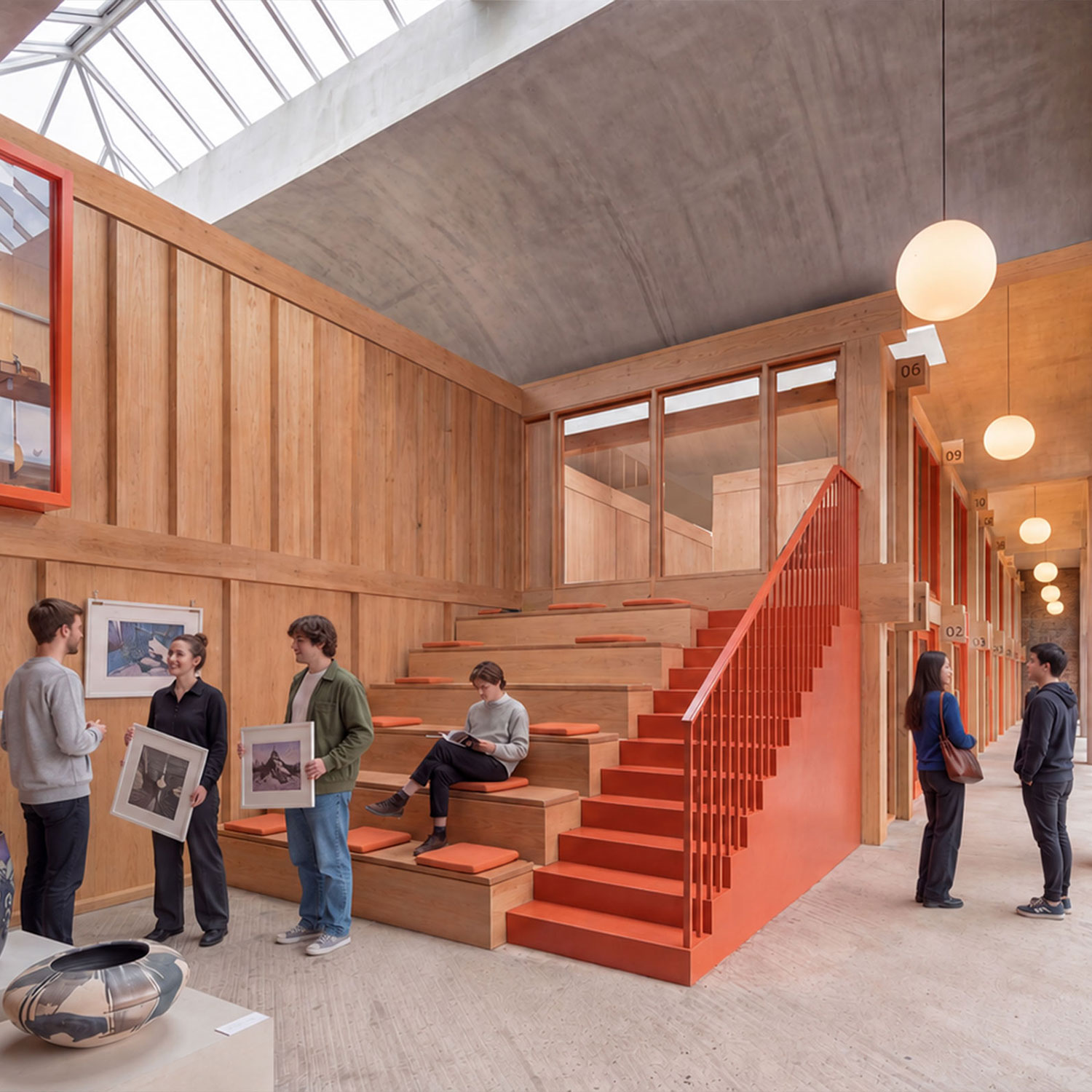
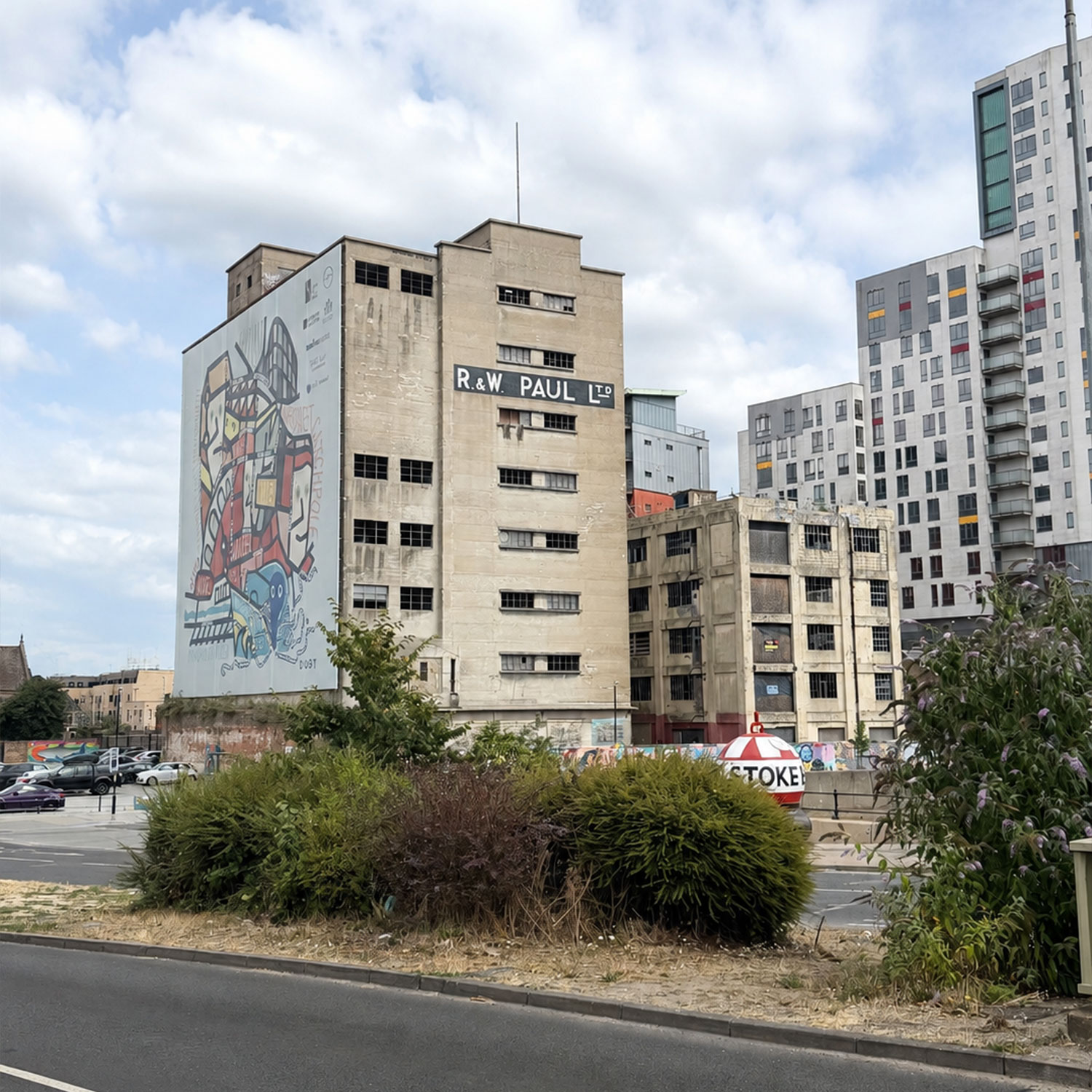
The proposals would turn St George's from an entirely hard-landscaped site into a new neighbourhood built around greenery and public life. Rather than demolishing everything and starting again, the former Sainsbury's structure would be retained and creatively reused - something Capital&Centric believes has not been done at this scale in the UK before - while the Grade II listed St George's Church would become a focal point at the heart of the neighbourhood.
Around it would sit over 300 new homes alongside planted courtyards, pocket parks, children's play areas, new public squares and improved walking and cycling routes. A 15,000 sq ft food hall is also proposed within the retained structure, bringing together independent food and drink operators and creating a destination intended to remain active from morning into the evening. Cleveland Boulevard would also be improved with new planting, seating, lighting and better walking and cycling connections, helping stitch St George's back into the wider city centre.
Further proposals for padel courts on Bilston Island are being developed and are expected to be submitted in the coming months, helping improve connectivity and bring more activity to the area.
The plans follow consultation with residents, students, businesses, community groups and organisations across Wolverhampton, with feedback helping shape the final proposals.
Capital&Centric is working with City of Wolverhampton Council on the regeneration, with architects Mikhail Riches and landscape architects Periscope leading the design following an international competition run in conjunction with the Royal Institute of British Architects.